
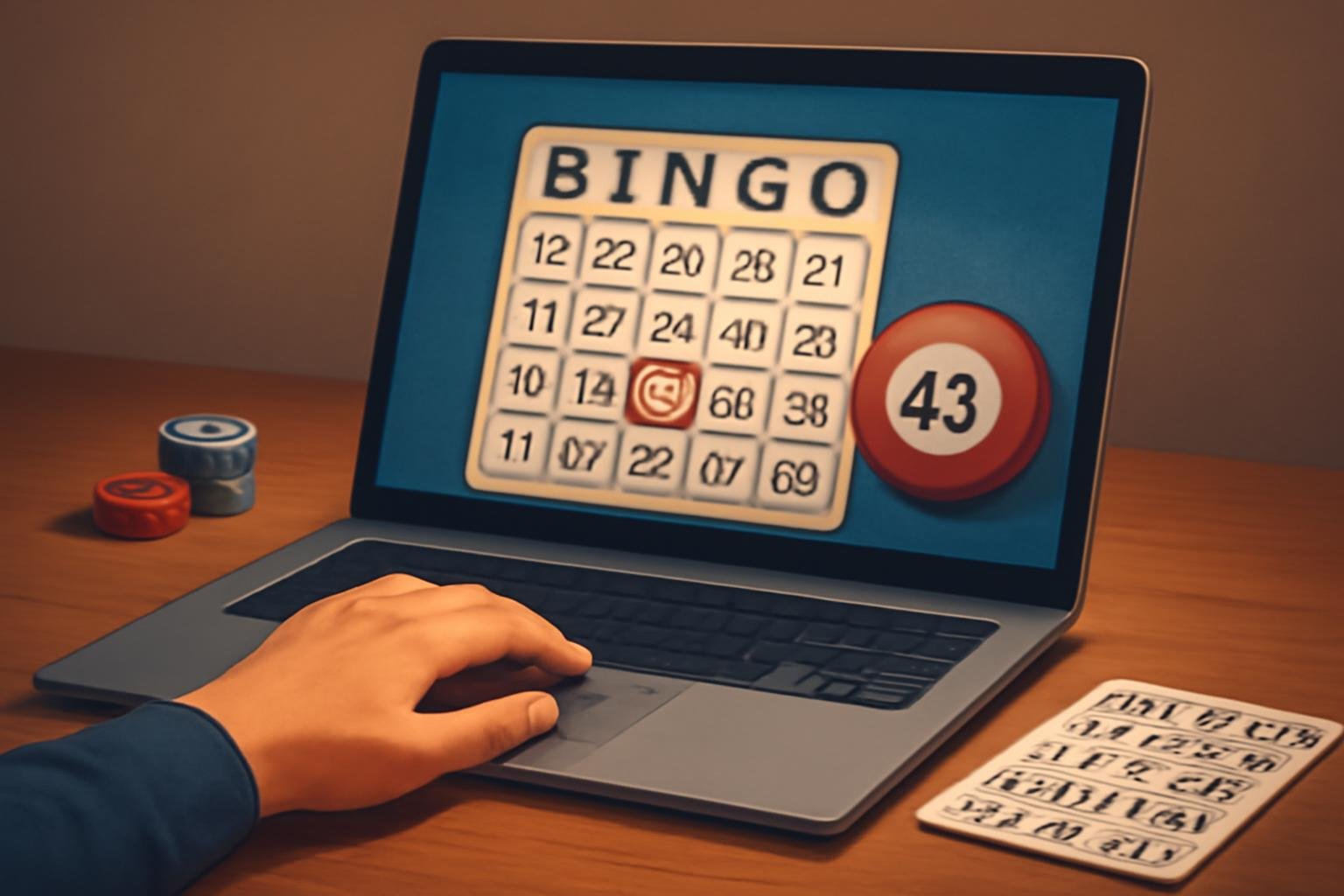
Playing several bingo cards at once can make a game feel more engaging, but each additional card also adds another set of numbers to track. The right number is less about finding a winning formula and more about matching your cards to the game’s pace, your attention and a spending limit you have set in advance.
This guide offers a simple way to decide how many cards to play in an online bingo session. It does not change the random nature of a draw: more cards mean more entries, and usually more cost, not a guarantee of a prize.
Start with the game format and pace
Bingo formats can differ in card layout, winning patterns and how quickly numbers are called. In a common 75-ball format, cards have a 5-by-5 grid; in a common 90-ball format, cards have three rows and nine columns. Individual games may add their own rules, so check the displayed instructions before buying cards.
The layout matters because you need to scan each card for called numbers and keep track of any required pattern. A slower game may give you more time to check cards, while a faster call pace or several rounds close together can make even a modest number harder to manage. Try a single card first if you are unfamiliar with a format.
Use a simple card-count test
Rather than choosing a number based on what other players do, assess how comfortably you can follow the game. During a low-pressure session, begin with one card and notice whether you can mark numbers accurately without rushing. If you can follow the calls and understand the winning pattern, you might test one additional card in a later game.
Increase the count gradually, not all at once. Stop adding cards when you find yourself missing calls, repeatedly checking the rules or feeling hurried. The goal is to keep the game understandable and enjoyable—not to handle the maximum number the site permits.
- New to the format: Start with one card and focus on learning the pattern.
- Comfortable with the pace: Add a card only if you can still track every call.
- Calls feel rushed: Reduce the count or choose a slower game, if available.
- Playing on a small screen: Use fewer cards if switching between them makes numbers hard to read.
Set a budget before choosing cards
Check the price per card and the cost of the complete round before confirming a purchase. If you plan to play several rounds, consider the total session cost as well as the cost of one game. Decide on a limit you can afford to lose, and do not raise it to recover an earlier loss. For a broader reminder on planning spend, see our guide to setting a bankroll limit; the same basic discipline can help keep recreational play within bounds.
More cards can mean more chances to match a pattern in a given draw, but they also increase the amount spent. They do not make a particular number more likely to be called, and they do not turn bingo into a dependable way to earn money. Treat each card as part of the entertainment cost.
Make the screen easier to manage
Before a round begins, check that the cards are visible and that you know how marking works. If the game offers automatic marking, understand what it does and still pay attention to the winning condition. Keep distractions low, especially when calls are quick. On a phone, rotate or enlarge the display if that helps; if the cards remain cramped, play fewer.
Also look for the round’s specific rules: which patterns qualify, whether there are multiple prizes, and when claims must be made. Do not assume that rules from one room or format apply everywhere. A few moments spent reading them can prevent confusion when a pattern is close.
Build in a stopping point
Choose a time limit or a fixed number of rounds before starting, then take a break when you reach it. If you feel frustrated, distracted or tempted to spend beyond your limit, stop rather than adding cards or continuing to chase a result. These are sensible habits for casino play generally; our beginner’s casino guide and casino play checklist cover related basics.
The practical takeaway
Choose a card count you can track comfortably, test changes gradually and let your budget—not a hope of recovering losses—set the ceiling. If you miss calls or feel rushed, scale back. In bingo, a manageable session is more useful than a crowded screen.


